Deborah Read
Deborah Read, Goetemann Artist-in-Residence
GAR Gloucester Invitational Artist: Deborah Read
October 2025
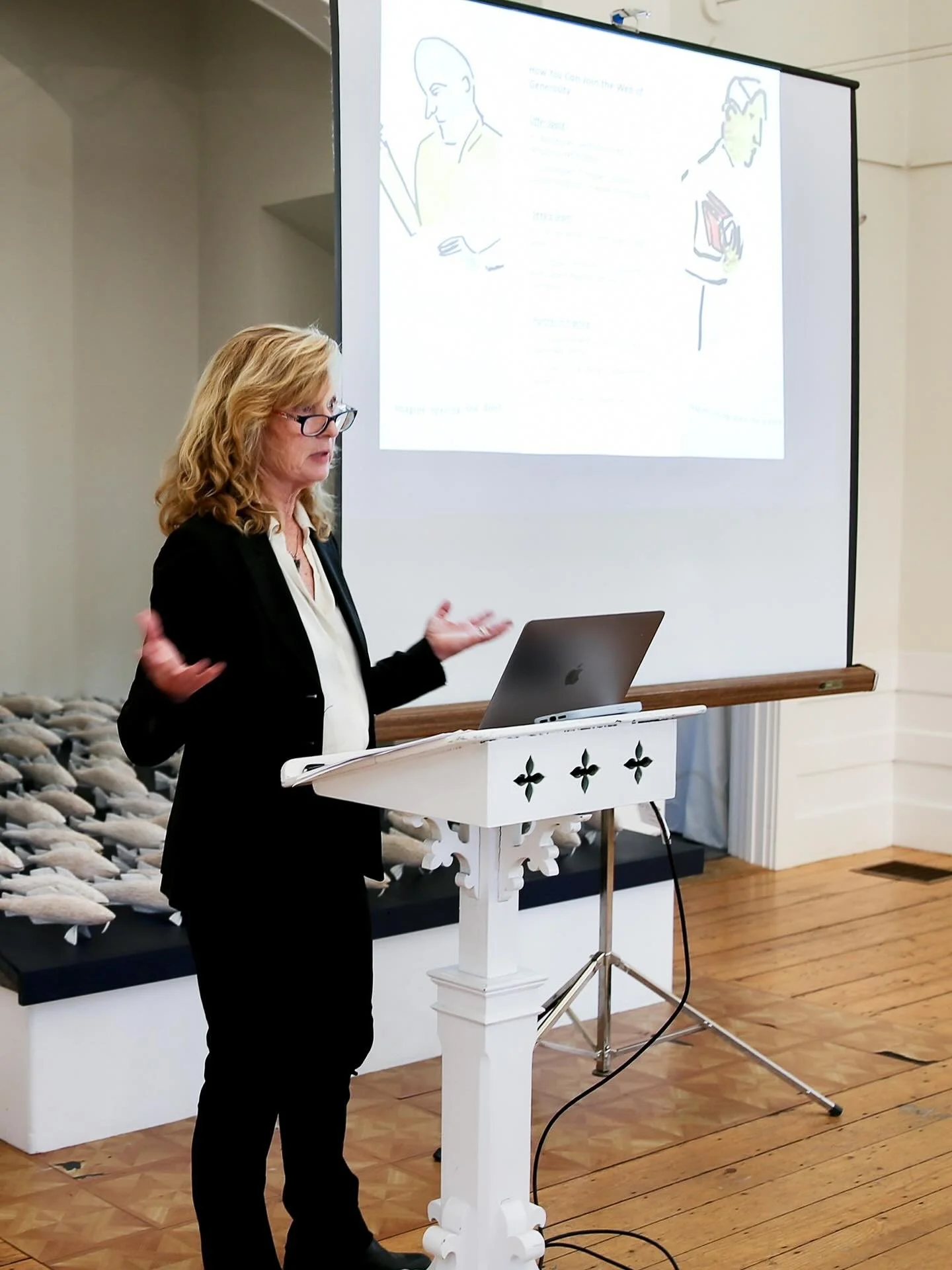
The Gloucester Invitational was created to offer a talented Gloucester artist the opportunity to experiment and explore new directions. They are provided a stipend and are asked to present an opening talk at the beginning of their one-month residency and a closing talk in their studio at the end.
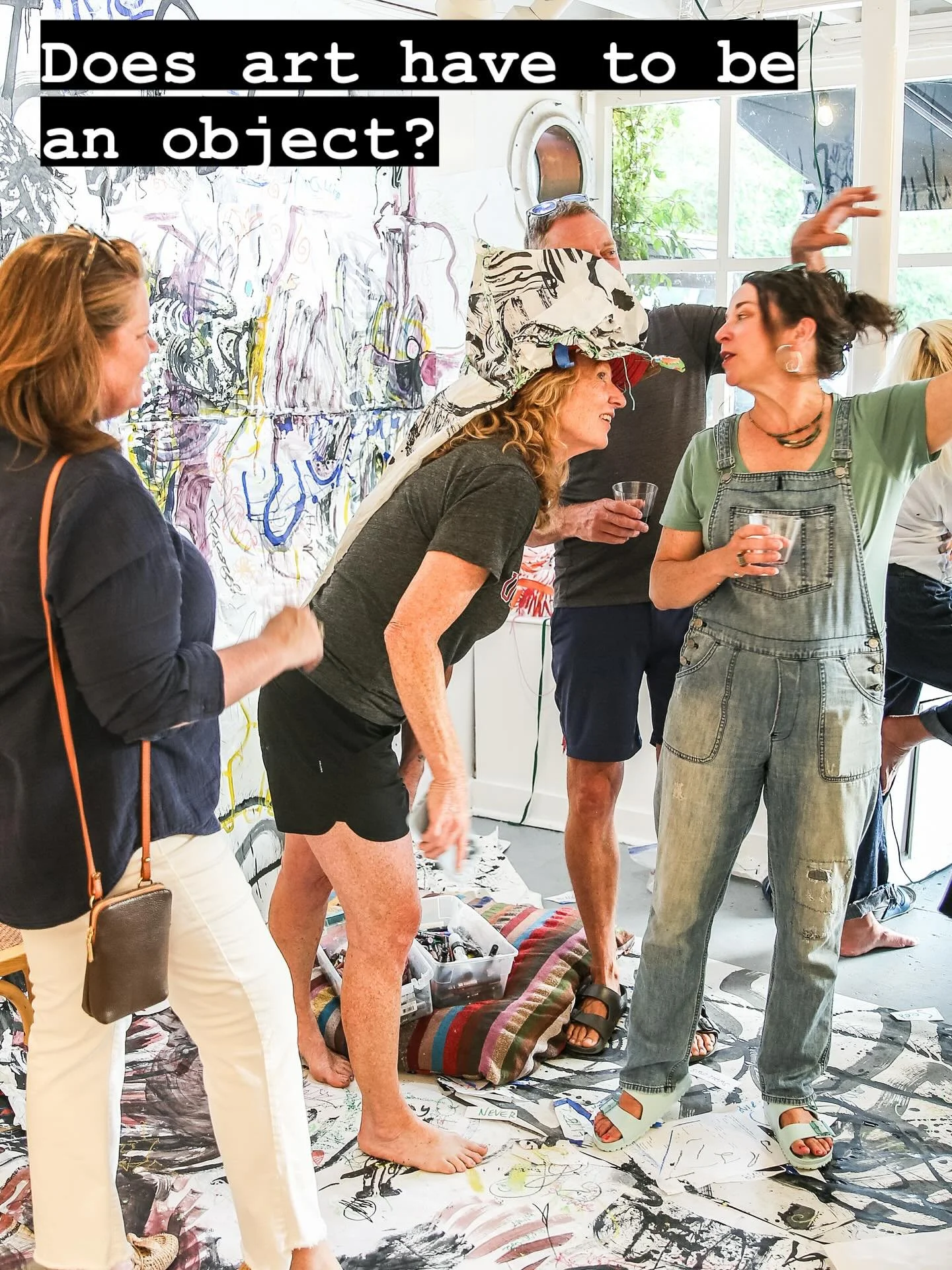
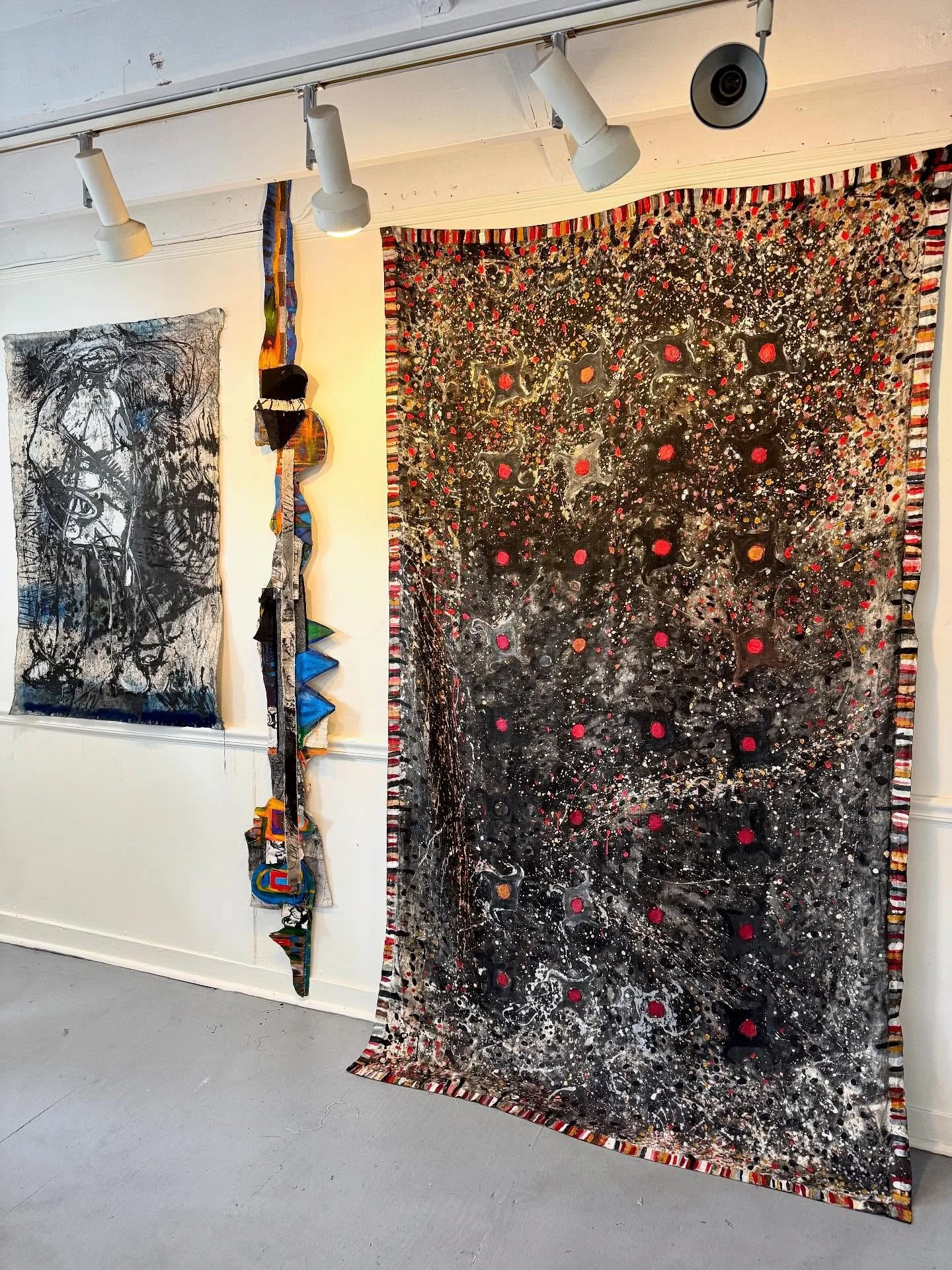
Gloucester-based artist Deborah Read joined the Goetemann Artist Residency at Rocky Neck Art Colony with a deceptively simple but urgent inquiry: Does art have to be an object?
For Read, the answer has long been “not necessarily.” Her interdisciplinary practice—spanning installation, performance, writing, and collaborative projects—frames art as an act of generosity. As co-founder of Gallery RAG in Gloucester and the international foundation Art+Everywhere, she has created platforms that dissolve boundaries between artist and audience, centering collaboration, care, and mutual support.
Read’s projects invite participation and dialogue: immersive performances with Coco Haze that turn galleries into collective canvases, hybrid works with poet Joel Iwaskiewicz where language becomes performance, and community-based installations like Tejido Vivo, which weave craft traditions into living art. In each case, connection outweighs the object itself.
Her foundation Art+Everywhere embodies this vision, described by Read as “a global, artist-led ecosystem built on mutual generosity.” Its mission: expand access to funding, programming, and creative opportunities while removing barriers of gatekeeping institutions. “The challenge is not scarcity, but activation,” Read explains. “Compassion already exists—in hundreds of hands and eyes—ready to help.”
At Rocky Neck, her residency continues this ethos—not as a retreat into isolation, but as a public process of listening, generating, and sharing. “The question is never just ‘what did I make,’ but ‘what did we generate together?’ Generosity is generative—it can enrich lives, spaces, and even economies.” For Rocky Neck—a community shaped by both maritime labor and artistic innovation—Read’s residency is both a philosophical question and a practical experiment: What if art is not possession, but presence? Not scarcity, but abundance?